
Foreign Buyers Get a New Home Exemption Through 2029—Why Metro Vancouver Developers Still Face a BC Tax Wall
Share
News article poster
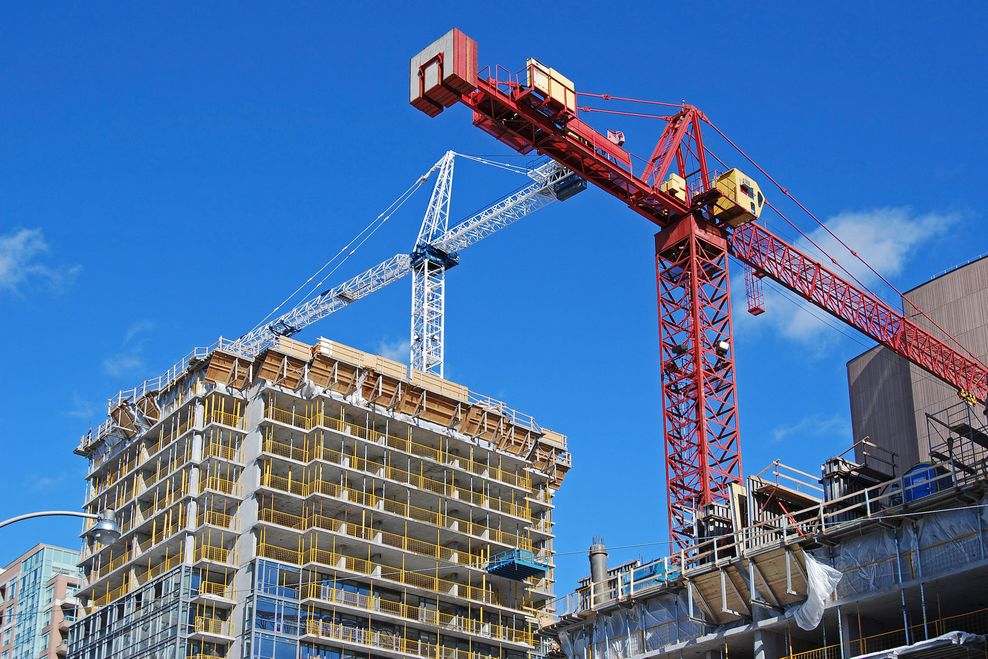
Prime Minister Mark Carney’s 2026 federal budget proposes extending Canada’s foreign buyer ban on residential property through January 2029, while introducing a new exemption allowing non-Canadians to purchase newly built homes. The ban, which first took effect in January 2023 and was later extended to January 2027, would continue to block foreign purchases of existing resale properties. Under the proposed changes, permanent residents, certain temporary workers, international students, protected persons, and those buying jointly with an eligible spouse remain exempt from restrictions. The government says the amendment is designed to channel foreign investment toward new construction rather than the resale market, though it has not yet defined what technically qualifies as a "new residential property" or set an effective date for the exemption.
The policy shift arrives as Metro Vancouver grapples with a significant overhang of unsold new condominiums. According to Vancouver-based firm Rennie, there were more than 14,000 unsold new condo units in the region at the end of June 2026, with 29 per cent representing newly completed but unoccupied inventory, 56 per cent under construction, and 15 per cent in projects awaiting construction. Industry groups including the Urban Development Institute, the Canadian Real Estate Association, and Greater Vancouver Realtors have welcomed the federal move, arguing that foreign capital can help projects meet pre-sale thresholds required to secure construction financing. However, real estate lawyers at Fasken note that critical details remain unresolved, leaving developers and prospective buyers uncertain about which specific product types will fall under the exemption.
Question

Xin Yu Commentary
From a senior Greater Vancouver agent’s perspective, this policy shift is less of a market shock and more of a structural signal. The federal government is acknowledging that cutting foreign capital out of new construction made it harder to get projects financed, but they have left the hard work of defining the exemption to future regulations. For local clients, the key takeaway is that BC’s 20 per cent foreign buyer tax is the bigger gatekeeper here. Buyers and sellers should not price in a foreign buyer revival until Victoria responds. For now, the most practical move is to track which projects actually qualify and whether the province aligns its tax policy with Ottawa’s intent.