News
Published brokerage updates and market posts.
News
Published brokerage updates and market posts.
The 2026 federal budget proposes raising CDIC deposit insurance from $100,000 to $250,000 for the first time since 2005, while adding temporary high-balance coverage for home sales and removing caps on registered accounts. For Greater Vancouver buyers and sellers moving large sums between transactions, the change directly affects how safely cash can sit in the bank during the bridge period.

The November 5 federal budget proposes extending Canada's foreign buyer ban on existing homes to January 1, 2029, while exempting newly built homes. For Greater Vancouver buyers and developers, the shift could reopen a funding channel for new supply, yet BC's 20% Additional Property Transfer Tax continues to apply separately, meaning eligibility to purchase does not equal affordability.

Reuters has begun tracking key proposed measures for the Canadian federal budget 2026, bringing Ottawa's fiscal direction into early public view. For Greater Vancouver buyers, sellers, and investors, federal decisions on housing programs, taxation, and infrastructure often shape local transaction timing, carrying costs, and buyer confidence long before any policy is formally tabled.
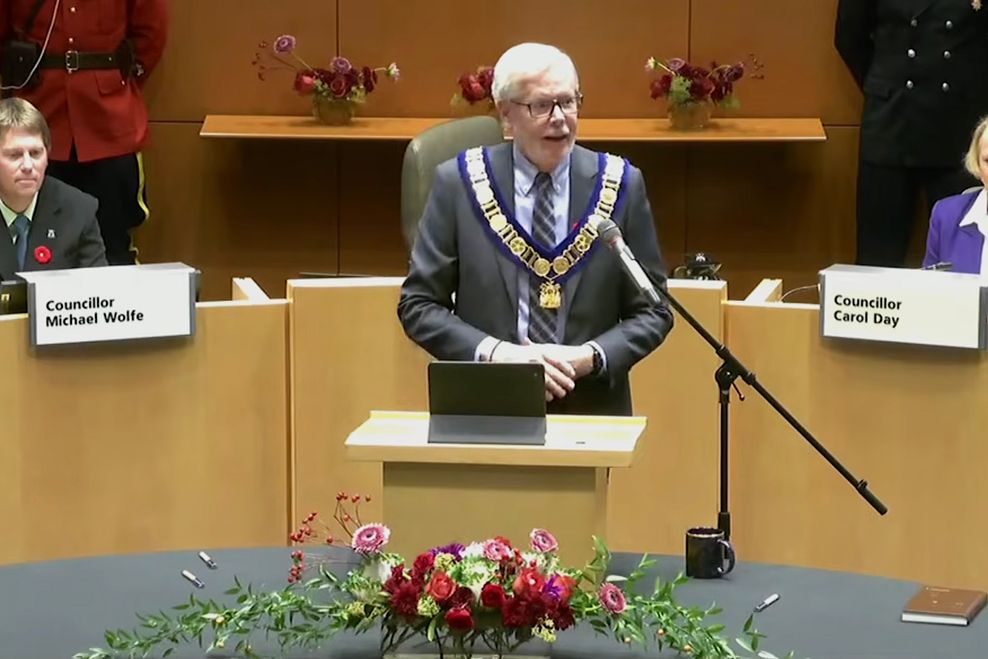
Richmond’s new mayor Rob Howard, sworn in on Nov 2, 2026, made a trade and exhibition centre a top priority, reviving long-stalled ambitions for the City Centre waterfront near Bridgeport Station. However, the most logical site—the former Richmond Night Market lands at Duck Island—is currently under a court-ordered sale after the approved developer ran into major financial trouble, leaving buyers and investors to separate political vision from land reality.
October 2026 saw both Greater Vancouver home sales and new listings drop roughly 10% year-over-year as a surprise Bank of Canada rate hike and snap provincial election triggered a synchronized retreat, leaving prices lower but borrowing costs higher in an affordability paradox.

Metro Vancouver retail vacancy has fallen below 1% in some suburbs while downtown sits below 3%, according to Re/Max's Fall 2026 report, as high construction and financing costs push B.C. investors toward established neighbourhood plazas and industrial properties. For local real estate audiences, the shift signals that well-located commercial assets with existing cash flow are absorbing capital that can no longer justify new development, which matters for both investor strategy and the long-term amenity value of residential neighbourhoods.
The Bank of Canada raised its benchmark interest rate by 0.25 percentage points to 2.5 per cent on October 28, 2026—its first hike in three years—citing geopolitical-driven energy inflation that threatens to spread across the economy. For Greater Vancouver buyers, sellers, and investors, the move immediately raises mortgage qualifying costs and signals that the era of falling or stable borrowing costs is over, at least for now.
The Bank of Canada will announce its overnight rate decision and release the quarterly Monetary Policy Report on October 28, 2026, with Governor Tiff Macklem's press conference at 10:30 ET—giving Greater Vancouver buyers, sellers, and mortgage holders a critical window to understand policy direction before markets price it in.

After three decades of expansion, B.C.'s Lower Mainland is redefining its growth model amid tighter immigration, higher interest rates, and U.S. trade tariffs—creating new patterns of opportunity for buyers and investors in Surrey, Chilliwack, the Broadway corridor, and industrial-starved Maple Ridge.

Lower Mainland commercial real estate transactions fell 14% quarter-over-quarter in Q2 2026 to 285 deals, even as total dollar volume rose 16.3% year-over-year to $1.54 billion, revealing a split market where office activity collapsed 42% from last quarter while land sales stabilized despite residential oversupply concerns.

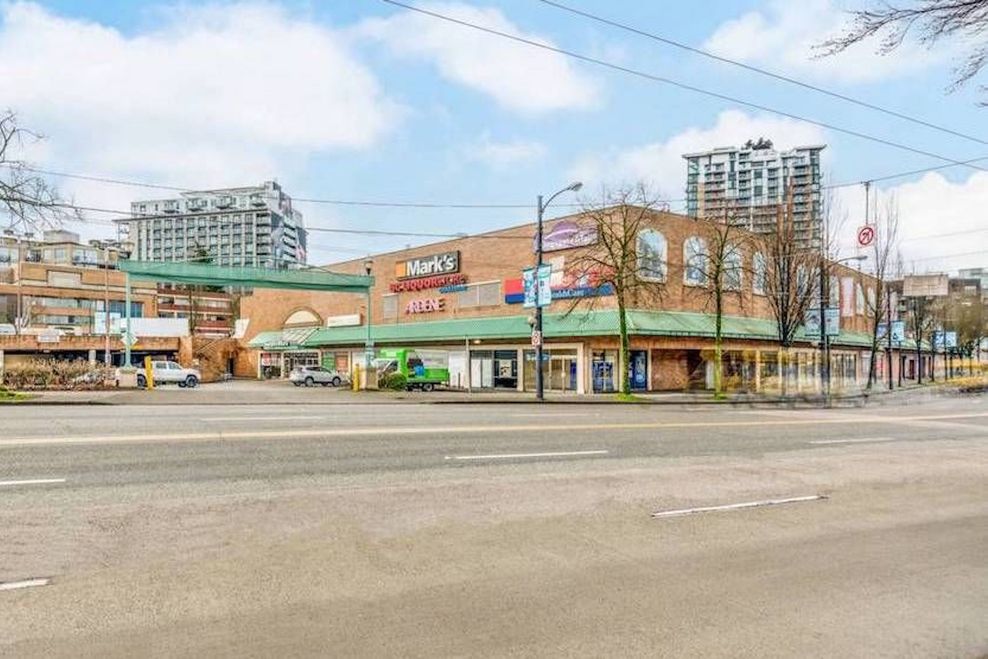
OneCity Vancouver has proposed redeveloping the 3.2-acre Kingsgate Mall site into a mixed-use complex with a public school, affordable rental housing for School Board employees, childcare, and potentially a new aquatic centre—an ambitious plan that would require rezoning and cross-government collaboration if the party gains influence after the October 17, 2026 civic election.
Beem Credit Union argues that focusing solely on down payment savings is a 'blunt instrument' for B.C. homebuyers, with median registered savings at just $20,000 for couples and $15,000 for singles aged 25-39, even as 85.5% of renters in that age group still prioritize homeownership within 5-10 years.