
SkyTrain Incident Rate Doubled: 122 Cases in 10 Years as TransLink Revisits Platform Barriers—What Expo and Millennium Line Property Owners Should Track
Share
News article poster
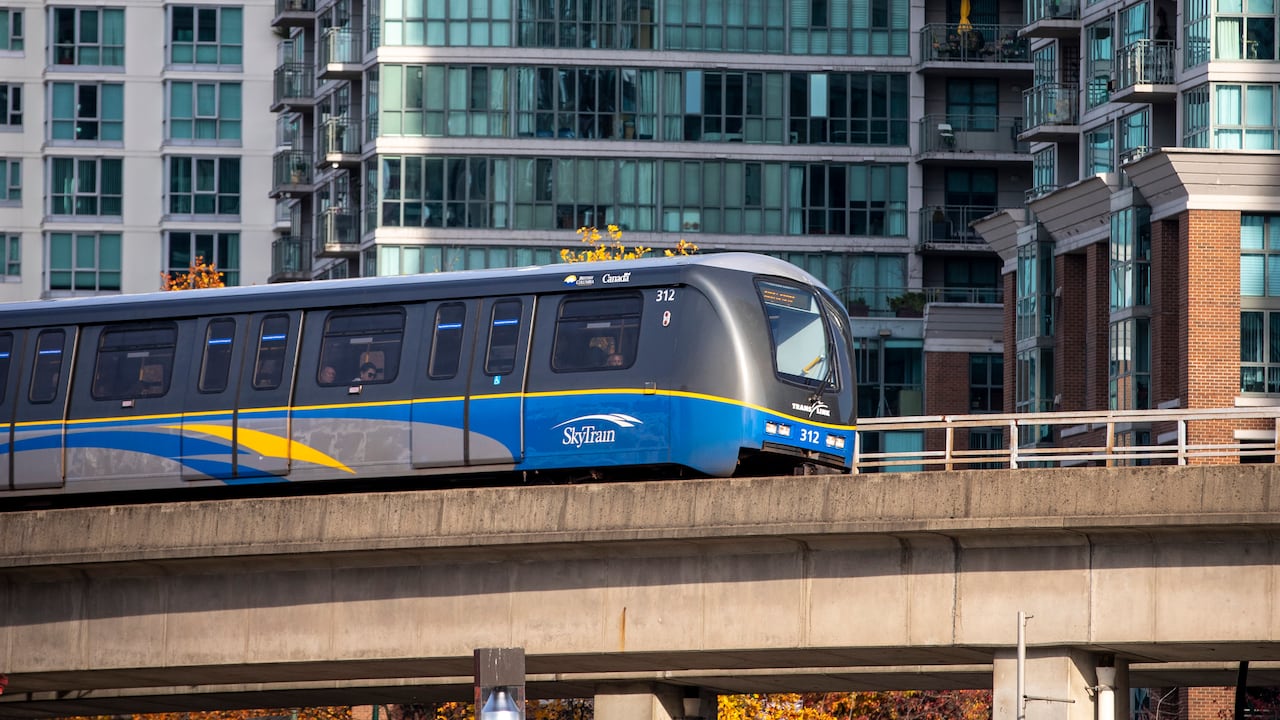
Technical Safety B.C., the independent body overseeing SkyTrain safety, published data on Friday showing 122 incidents of train-human contact on Vancouver’s Expo and Millennium lines between 2016 and 2025. Derek Patterson, the organization’s vice president of regulatory leadership, highlighted that the period from 2023 to 2025 was particularly concerning, with the incident rate doubling compared to pre-pandemic times. The reported incidents include accidental falls, intentional climbing onto tracks, passengers leaning too far over platforms, and limbs caught in train doors. The statistics capture only actual physical contact, not near misses, meaning the full scope of platform risk is likely larger than the headline figure suggests.
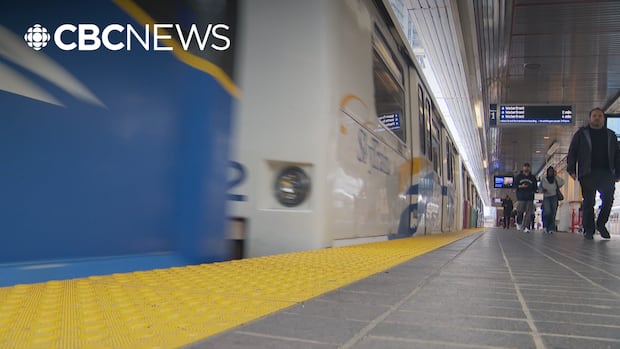

TransLink had previously studied and rejected platform screen doors, citing incompatibility with the existing system because door positions vary across train fleets and stations were not built to accommodate the equipment. However, the agency is now revisiting the technology to determine whether newer solutions can overcome those challenges, and is also investigating waist-high barriers as an alternative. UBC civil engineering assistant professor Suliman Gargoum pointed to a Tokyo study showing automatic platform doors reduced fatalities by 97 percent and serious injuries by 93 percent in non-suicidal events. He noted that retrofitting existing stations is difficult, but expanding corridors offer a better opportunity to integrate safety features from the outset.
Question
I’m considering buying a condo within walking distance of an Expo or Millennium Line station—should these safety incidents change how I think about transit proximity, and will platform upgrades affect the building’s future value?
Insight
Transit access remains one of the most durable demand drivers in Greater Vancouver, so abandoning SkyTrain-adjacent property over this report is not justified by the facts available. That said, buyers should recognize that no specific stations have been named in the release, which means risk cannot be priced into individual addresses yet. The more practical issue is potential construction disruption if TransLink moves ahead with platform screen doors or waist-high barriers at select stations, particularly on aging segments of the Expo Line. Buyers may want to ask whether a station near their target building is likely to be an early retrofit candidate, and whether future safety integration on expanding lines—such as the Broadway Subway or Surrey-Langley extension—could create a relative quality gap between old and new infrastructure.
The data reveals that roughly half of the 122 incidents were intentional, while a significant portion was accidental, underscoring that platform safety is not solely a mental-health infrastructure issue but also a design and crowding challenge. Because Technical Safety B.C. is sharing its findings with TransLink and the provincial government, the report is expected to inform upcoming capital planning and safety standards rather than trigger immediate station closures. Patterson emphasized the goal is “best-in-class” safety features comparable to systems in Seoul, Tokyo, and London. For property owners, the takeaway is that change is likely coming, but the timeline, budget, and station priority list remain undefined. The focus for now should be on monitoring TransLink’s capital announcements rather than reacting to the headline count.
Question
I already own a rental property near a Millennium Line station and rely on transit-oriented tenants—could construction for platform barriers drive away renters or trigger special assessments if strata buildings face indirect impacts?
Insight
There is no indication in the report that TransLink will fund platform upgrades through local property taxes or strata levies, so direct special assessments tied to this safety initiative are unlikely. Tenant demand near SkyTrain stations in Burnaby, Vancouver, and Coquitlam remains structurally strong due to commuting patterns and rental shortages, and a temporary construction inconvenience rarely overrides transit access for long-term renters. The bigger risk for landlords is prolonged station access changes or entrance closures during retrofit work, which could affect vacancy periods or renewal negotiations. Investors should treat this as a watch item: if a station near your building appears on a future upgrade shortlist, budget for slightly higher turnover or marketing costs during construction phases, but do not assume a permanent rent discount.
Sources reviewed
Stephanie Carmen Wong Commentary
From a senior Greater Vancouver agent’s perspective, SkyTrain safety headlines tend to create short-term anxiety that fades before construction crews arrive. The practical point for clients is that transit proximity still commands a measurable premium in this market, and 122 incidents over a decade—while troubling—do not rewrite that fundamental. What matters more is the station-specific rollout plan. Buyers should not avoid the Expo or Millennium corridors, but they should add “future platform upgrades” to their due-diligence checklist, especially for older stations where retrofitting is most disruptive. Sellers near well-maintained stations with no announced work can largely ignore this news. The key is to separate headline noise from the actual infrastructure schedule.