
Lower Mainland Commercial Sales Drop 14% in Q2: Office Deals Collapse While Land Prices Signal a Bottom
Share
News article poster

The Lower Mainland commercial real estate market posted 285 sales in the second quarter of 2026, representing a 2.7% decline from the 293 transactions recorded in Q2 2025 and a sharper 14% drop from the previous quarter, according to Commercial Edge data from Greater Vancouver Realtors. Despite fewer transactions, the total dollar value of commercial sales reached $1.541 billion, marking a substantial 16.3% increase from the $1.325 billion recorded in the same period last year. Andrew Lis, GVR's chief economist and vice-president of data analytics, attributed the quarterly drift lower to recent global economic turmoil, specifically citing surging US bond yields as a harbinger of potential economic trouble that has worried investors and created market hesitation.

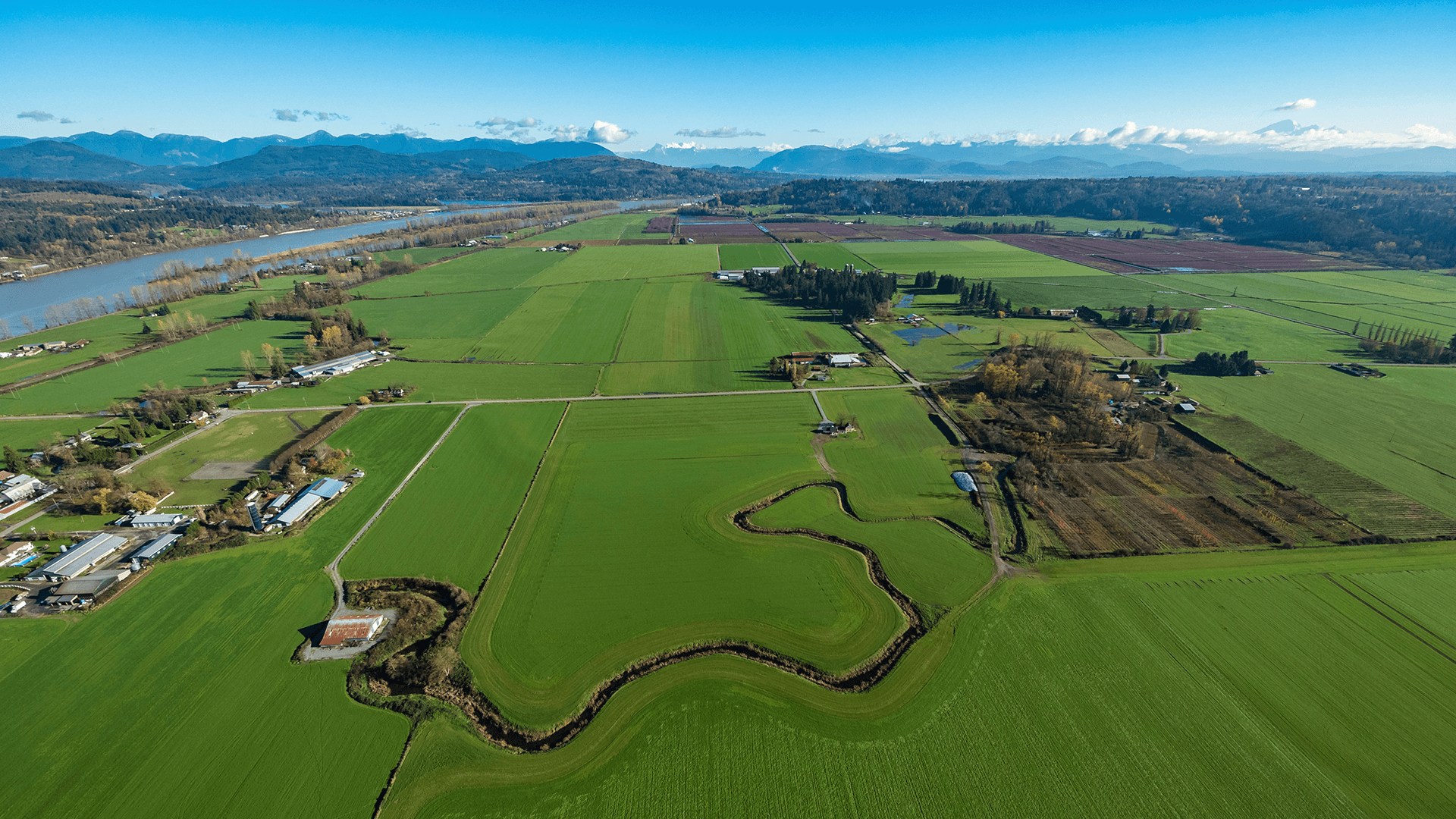
The quarterly decline masks significant divergence across asset classes, with office properties experiencing a dramatic pullback while land transactions showed unexpected resilience. Office sales plummeted 42% from the previous quarter, with only two transactions exceeding $10 million, dragging office dollar volume down 63% quarter-over-quarter to $144 million. Conversely, land sales maintained pace with recent quarters at 56 transactions, generating $537 million in volume—a 38.9% year-over-year increase that surprised analysts given the sizeable overhang of newly completed and unsold residential units. This stability in land pricing persists despite weak demand in the residential development space, suggesting developers and institutional investors may be positioning for future cycles rather than reacting to current residential inventory levels.

Hung Kit Simon Hui Commentary
From a senior Greater Vancouver agent's perspective, this data confirms what we're seeing in the field: institutional buyers are quietly accumulating well-located development land while avoiding office exposure entirely. The disconnect between residential inventory overhang and land price stability tells us experienced developers are underwriting projects for 2028-2030 delivery, not today's market. For clients considering commercial transitions or land assembly, the window for distressed pricing may be closing faster than headlines suggest, but financing remains the real constraint. The key is matching your investment timeline to the asset—land for patient capital, stabilized retail for yield, and office only if you have deep value-add expertise and long-term hold capacity.