
Lower Mainland's Growth Engine Shifts: What Trade, Tech and Transit Mean for Your Next Real Estate Move
Share
News article poster

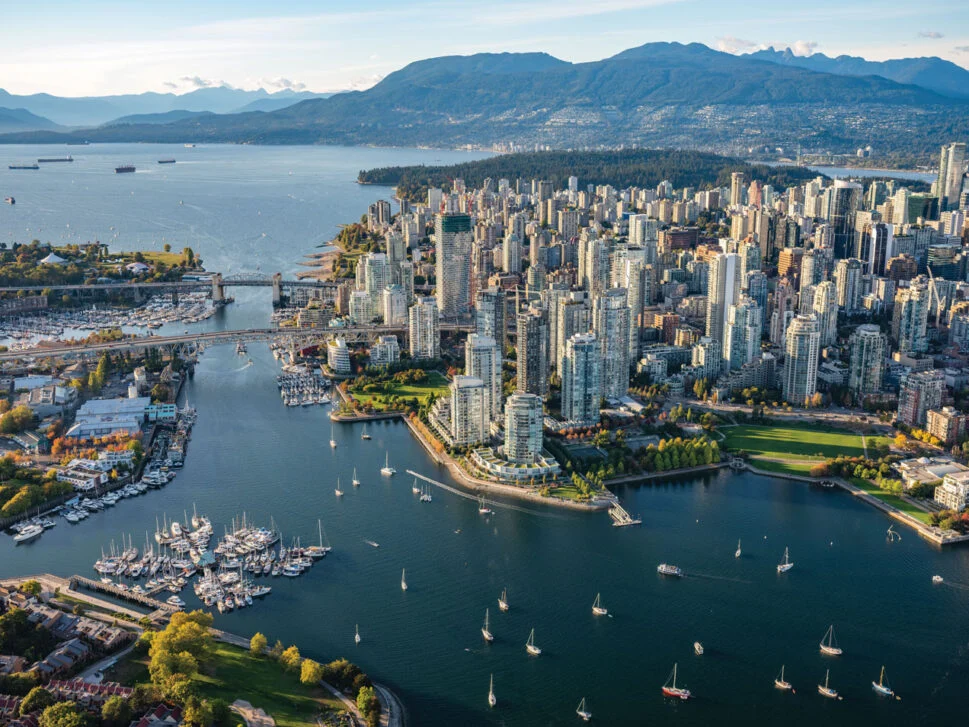
The Lower Mainland's economic engine is recalibrating. After thirty years of near-continuous expansion, the region—home to more than half of B.C.'s population and economic output—has hit a reflective pause. Government measures to curb the cost of living, including tighter immigration caps, combined with elevated interest rates and new U.S. trade tariffs, have slowed the pace that once seemed unstoppable. Yet this pause is not a retreat. The region is actively redefining what kind of growth it wants, and where that growth happens. For real estate participants, this matters because the underlying drivers of location value—jobs, infrastructure, foreign investment, and municipal competition—are being redistributed across the map.
Several concrete developments illustrate this shift. Surrey is projected to overtake Vancouver as B.C.'s most populous municipality in 2027, with more than 700,000 residents, and has approved plans for a 10,000-seat arena entertainment district with 100,000 square feet of commercial space. Meanwhile, Chilliwack's economic development arm, CEPCO, has been buying and restoring historic downtown properties, including the revived Skelton Building with its original leaded glass and timber ceiling. Maple Ridge is working to add a 600-acre industrial zone to address Metro Vancouver's maxed-out industrial space. Abbotsford has adopted a new official community plan and has two industrial projects under construction: the 140-acre Xchange Business Park and the 260,000-square-foot Riverside Industrial Park.

Xiong Bao Commentary
From a senior Greater Vancouver agent's perspective, this article captures something clients feel before they can articulate it: the ground is shifting beneath the region's familiar patterns. Vancouver isn't losing relevance, but it is losing exclusivity as the only place to be. The buyers who benefit will be those who read the infrastructure timeline correctly—Broadway in 2027, Surrey's arena district, Chilliwack's downtown charm offensive—rather than chasing yesterday's headlines. For investors, the industrial land shortage in Metro Vancouver is the sleeper story here; Maple Ridge's 600 acres and Abbotsford's parks are genuine supply responses to a structural constraint. The watchpoint is whether foreign investment conversations convert to actual commitments amid trade uncertainty. Clients should ask harder questions about municipal approval efficiency, not just sticker price. The region's next chapter is being written in zoning decisions and permit timelines as much as in GDP figures.