
Vancouver Election Platforms: Property Tax Freeze, Parking Permit Abolition, and the Battle Over Building Rules—What It Means for Housing Supply
Share
News article poster
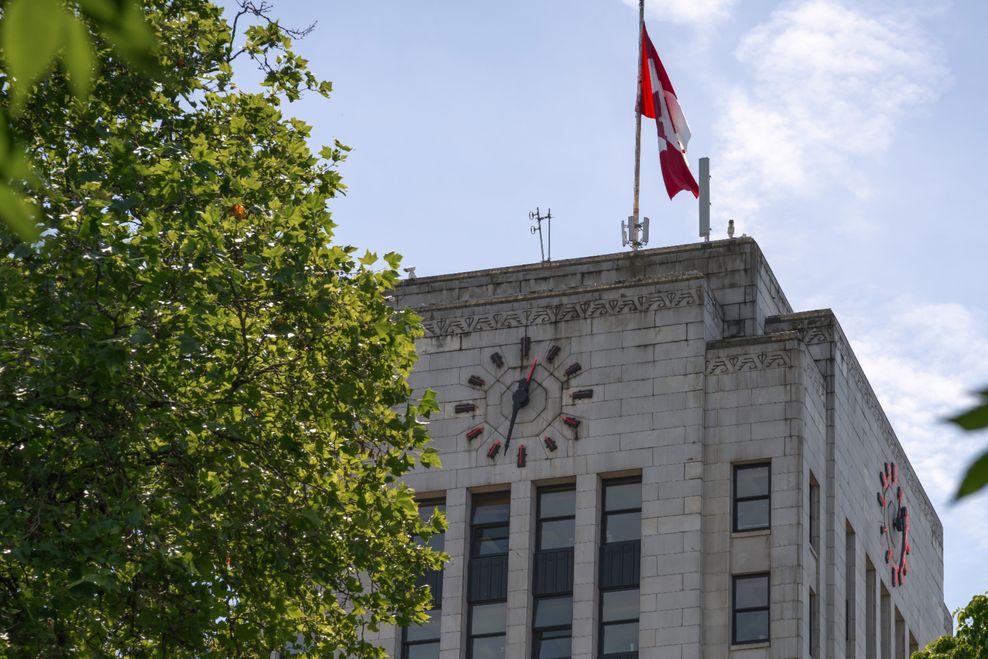
With Vancouver's municipal election three weeks away, five major mayoral candidates have released platform details that directly impact real estate economics. Ken Sim's ABC Vancouver has promised a property tax freeze for 2027 and the elimination of residential parking permit fees, while also removing paid parking at beaches and community centres. Meanwhile, Kareem Allam's Vancouver Liberals have pledged to replace the Vancouver Building Bylaw with the provincial B.C. Building Code and consolidate the 12 separate city departments currently involved in housing approvals into a single entity. Pete Fry's Green Party is pushing pre-approved housing designs and mass timber construction to accelerate delivery, while Colleen Hardwick's TEAM for a Livable Vancouver opposes upzoning, arguing it increases land speculation. Rebecca Bligh's Vote Vancouver focuses on affordable middle-income housing on public land with mandatory not-for-profit childcare in new developments.

These competing visions reveal a fundamental split in how each party believes housing affordability should be achieved. The platforms range from supply-side acceleration through regulatory simplification to demand-side controls through zoning preservation. ABC's tax and parking promises target homeowner carrying costs directly, potentially affecting municipal revenue streams that fund infrastructure. The Liberals' building code replacement and departmental merger represent the most aggressive streamlining proposal, potentially reducing soft costs and approval timelines for developers. The Greens' focus on prefabricated and mass timber construction aims to reduce hard construction costs and speed up building. TEAM's stance against upzoning reflects a belief that land value increases from density permissions ultimately flow to speculative pricing rather than affordable units.
Yichen Dou Commentary
From a senior Greater Vancouver agent's perspective, this election presents a choice between speed and stability. ABC's tax and parking promises offer immediate, tangible relief to existing owners, while the Liberals' and Greens' regulatory streamlining could finally address the approval bottlenecks that have choked supply. The critical insight for clients is that housing policy is now split between municipal promises and provincial mandates—the latter increasingly override local resistance to density. Buyers should focus on neighborhoods where supply can actually be delivered regardless of council composition, while sellers in land assembly plays should accelerate timelines if they fear a return to obstructionist permitting. The parking permit abolition is a nice headline, but the building code and departmental merger proposals will move the market needle more significantly if implemented.