
Metro Vancouver Retail Vacancy Drops Below 1%: Why Capital Is Flooding Suburban Plazas and What It Means for Your Block
Share
News article poster
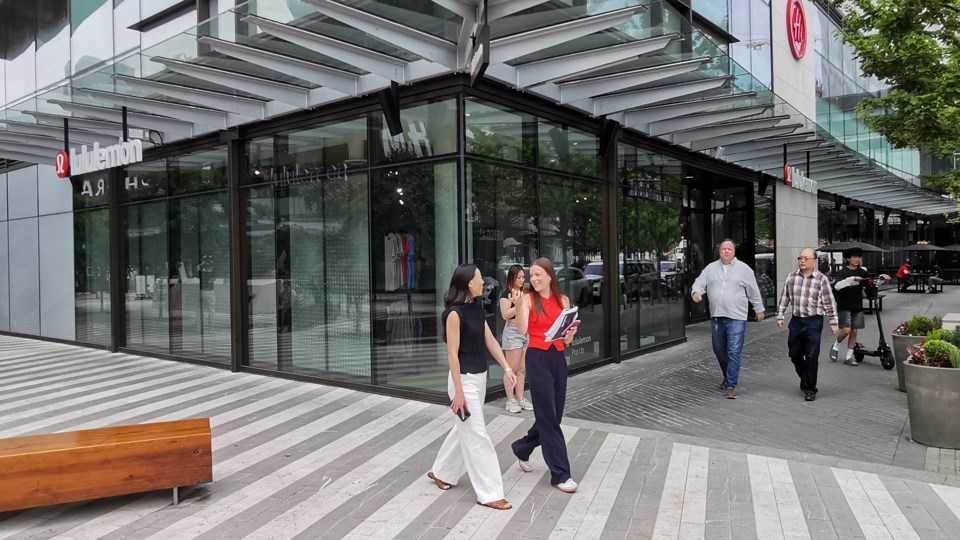
The Re/Max Canada Fall 2026 Commercial Real Estate Report, released October 29, found that Metro Vancouver’s neighbourhood retail vacancy has fallen below one per cent in some suburbs, while downtown Vancouver sits below three per cent. Faced with high construction and financing costs, commercial investors across B.C. are pivoting away from new development and toward established assets—specifically neighbourhood retail plazas, grocery-anchored centres, and existing industrial properties. Kristie Kimnach, executive director of Re/Max Commercial, noted that investor demand has been strong but the main challenge is finding enough quality product to meet it. The report compares activity from January through June 2026 against the same period in 2025, drawing on data from brokers across 12 major Canadian markets.
The shift toward existing retail plazas is driven by a supply squeeze that shows little sign of easing. Don Kottick, president of Re/Max Canada, warned that the imbalance between robust demand for smaller, well-located retail units and a lack of new developments could persist amid higher bond yields and broader economic uncertainty. While Kelowna has seen more subdued conditions with limited new supply weighing on rentals, Metro Vancouver’s established suburban nodes are drawing tenants in medical services, health, wellness, beauty, and food services. Grocery-anchored centres in particular are benefiting from this tenant mix. Nationally, retail conditions improved in 10 of the 12 markets Re/Max examined, suggesting the trend is not unique to British Columbia.
Question
If retail vacancy in some Metro Vancouver suburbs has fallen below one per cent and capital is chasing established plazas, should residential investors consider diversifying into neighbourhood retail or small-bay industrial, or are the financing and management realities too different from residential rentals?
Yichen Dou Commentary
From a senior Greater Vancouver agent’s perspective, this report confirms something visible on the ground: capital is defensive and gravitating toward assets that already generate rent. Residential clients often overlook neighbourhood retail health when evaluating a home, but a fully leased plaza with medical and grocery tenants usually indicates a stable, high-amenity catchment. For investor clients, the softening of industrial prices despite tight availability is the more interesting signal—it suggests financing friction, not tenant weakness, and may create entry points for buyers with strong capital or flexible debt. The key is not to overreact to one headline, but to understand that construction cost inflation has shifted the commercial playbook toward existing cash flow, and that dynamic will likely persist until bond yields and development economics improve.