
Nanaimo–Vancouver Ferry Cuts in Half: What Commuter Reliability Means for Island Real Estate
Share
News article poster
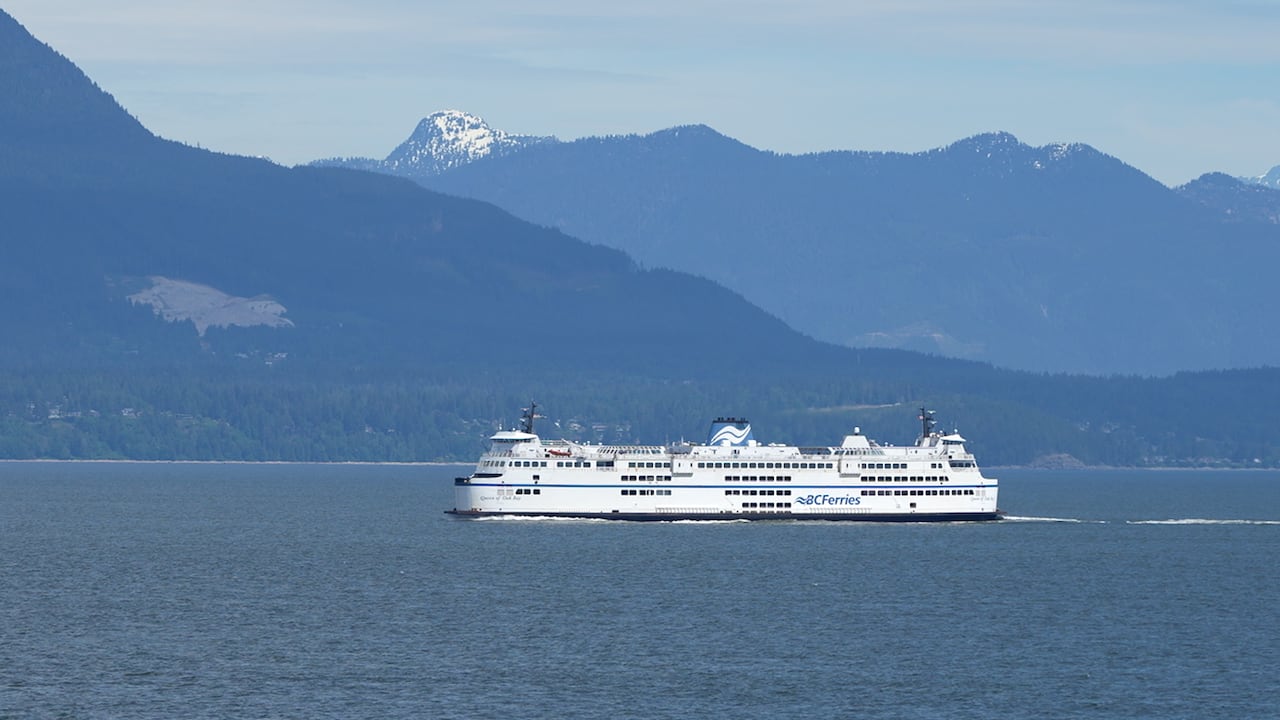
B.C. Ferries has cancelled approximately half of Tuesday's sailings between Nanaimo's Departure Bay and Vancouver's Horseshoe Bay, citing mechanical problems with the Queen of Cowichan's main engine turbocharger. The disruptions began Monday evening and affected the 6:15 a.m., 10:55 a.m., 4 p.m., and 8:30 p.m. departures from Nanaimo, plus the 8:35 a.m., 1:25 p.m., 6:20 p.m., and 10:40 p.m. sailings from Vancouver. The ferry operator warned that Wednesday's schedule is also at risk, while engineering teams assess repair timelines. The Queen of Oak Bay continues to service the remaining half of scheduled runs. Two additional evening sailings were added between Departure Bay and Tsawwassen—at 7:15 p.m. and 10 p.m.—and regular Duke Point to Tsawwassen service remains available.

This is not an isolated winter storm cancellation. It is an equipment failure on a core route that carries thousands of daily passengers, many of them commuters who live on Vancouver Island and work in Metro Vancouver, or vice versa. The Nanaimo RCMP were called to Departure Bay terminal Monday afternoon after passengers became irate over the 4 p.m. cancellation, underscoring how deeply this route is woven into daily life. For real estate purposes, the Horseshoe Bay–Departure Bay link is the shortest crossing between the Island and the North Shore, making Nanaimo and surrounding communities particularly attractive to buyers who want island affordability without sacrificing Vancouver access. When that access becomes unpredictable, the trade-off calculus shifts.

Danny Huang Commentary
From a senior Greater Vancouver agent's perspective, this is the kind of infrastructure hiccup that separates informed buyers from headline-driven ones. The Nanaimo market has attracted significant Vancouver spillover demand precisely because it feels commutable. When that feeling gets dented, some buyers pause, which can create brief negotiation windows for those who did their homework on alternate routes. For sellers, it is a reminder that location marketing needs to be honest about ferry dependency, not aspirational. The clients who should pay closest attention are the ones with inflexible in-person work requirements and those leveraged into investment properties assuming stable commuter-rental demand. The next signal to watch is not Tuesday's cancellations, but whether B.C. Ferries publishes a transparent repair schedule and whether this vessel's issues reflect a broader fleet maintenance backlog.