News
Published brokerage updates and market posts.
News
Published brokerage updates and market posts.
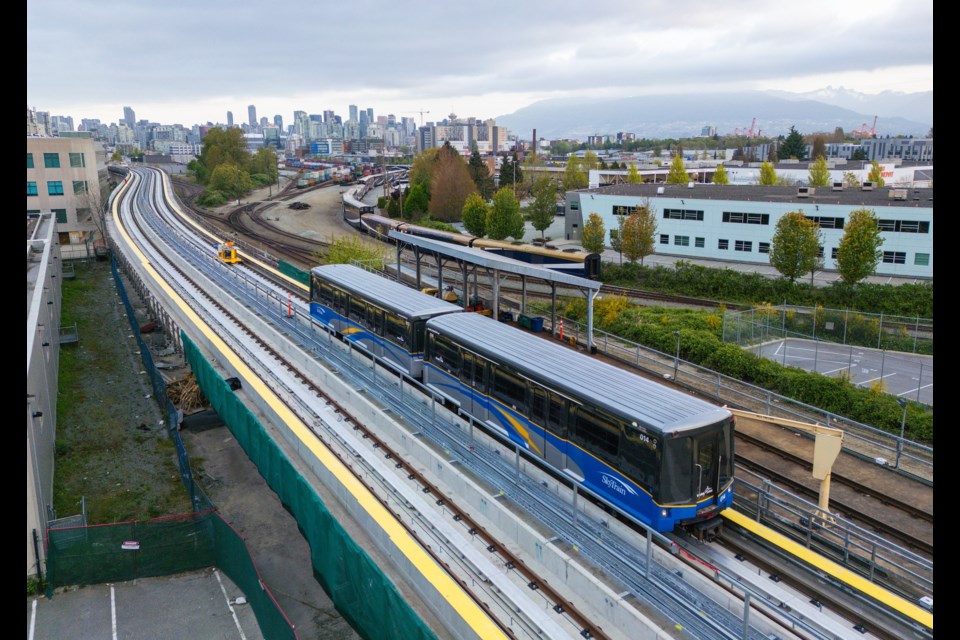
The $2.83-billion Broadway Subway has entered its rail-testing phase with train cars now running on completed track sections, confirming the late fall 2027 opening timeline. For Mount Pleasant, Fairview, and Kitsilano property owners, this shifts the project from future promise to near-term infrastructure reality, creating a specific window for transaction timing before the commuter floodgates open.
Vancouver city council is racing against the August break and October civic election to decide on a controversial 'villages' rezoning plan affecting 17 neighbourhoods, Western Canada's tallest condo tower proposal, and a $3.5-billion capital spending plan—decisions that could reshape development potential and infrastructure across the city before a potentially new council takes office.

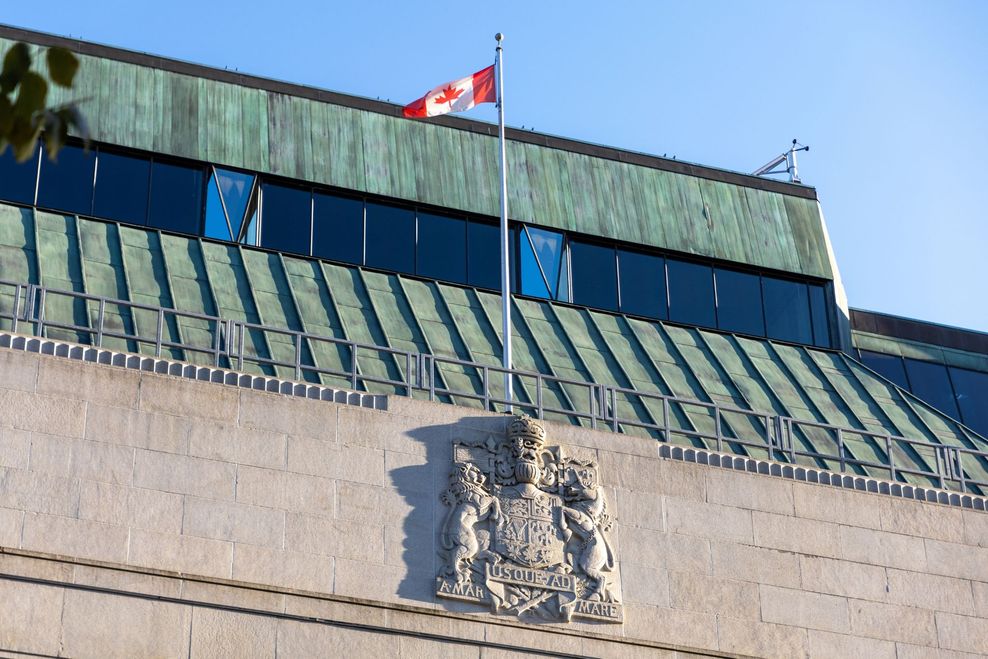
Justice Barbara Young has dismissed Montrose Properties' application to reopen the landmark Cowichan Tribes Aboriginal title case, leaving the Richmond developer and major industrial landowners outside the litigation process and deepening title uncertainty for affected southeast Richmond properties ahead of the government-led appeal.
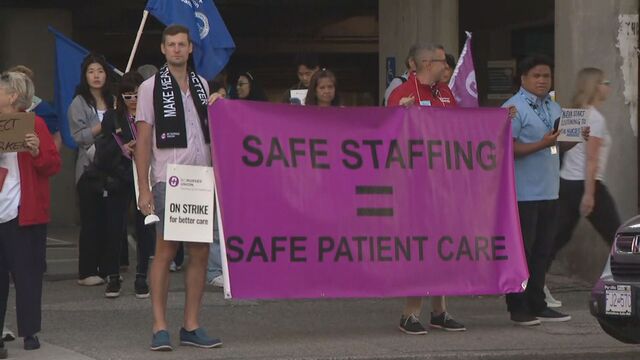
The BC nurses' strike that began July 2 has expanded from mainland hospitals to Vancouver Island, with picket lines now at Nanaimo Regional General Hospital and Victoria's Royal Jubilee. For real estate buyers and investors eyeing Vancouver Island's markets, the escalating healthcare disruption raises practical questions about livability, emergency access, and near-hospital rental demand that go beyond the immediate labor dispute.
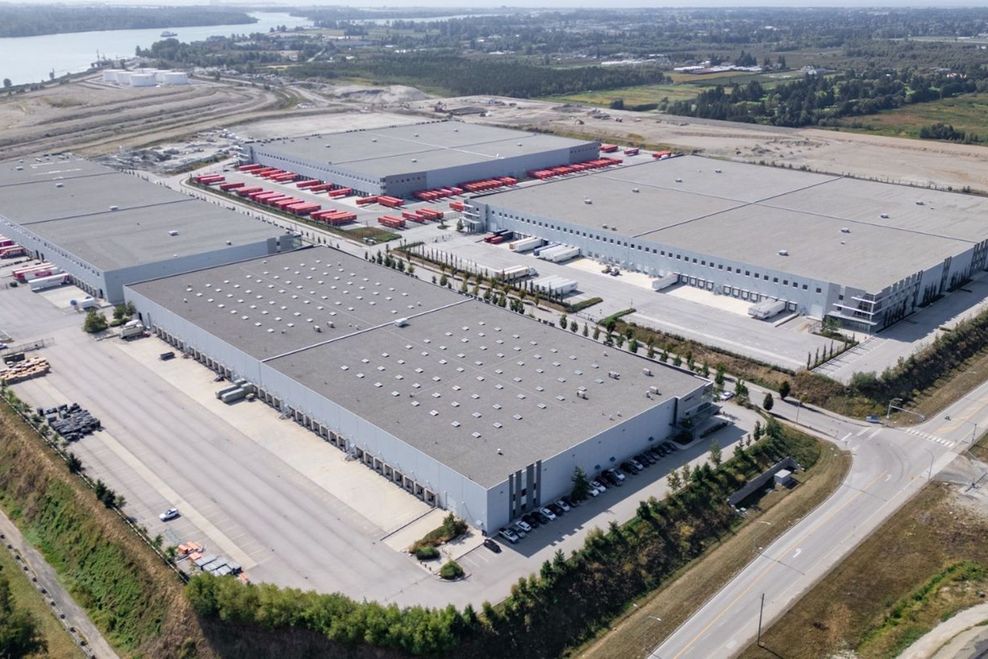
Beedie has broken ground on a 60-plus acre South Campbell Heights Business Park that will deliver over one million square feet of industrial space by 2028, anchored by an undisclosed 'prominent player in the automotive industry.' For South Surrey homeowners and investors, the project signals a significant employment injection into a port-adjacent municipality that has long faced industrial land shortages.
The Bank of Canada is expected to hold its key interest rate at 2.25% on July 15, 2026, as policymakers balance weak economic growth against sticky 2.8% inflation and Middle East supply shocks. For Greater Vancouver real estate, the anticipated "do no harm" decision means mortgage rates likely remain stable through summer, removing both the urgency to refinance and the trigger for a demand surge.
The City of Vancouver will introduce a standardized Amenity Cost Charge (ACC) on September 30, 2026, adding up to $10 per square foot for high-density residential developments while exempting small-scale rental projects and maintaining 20% DCL reductions, fundamentally changing how growth infrastructure gets funded and which housing types receive preferential treatment.
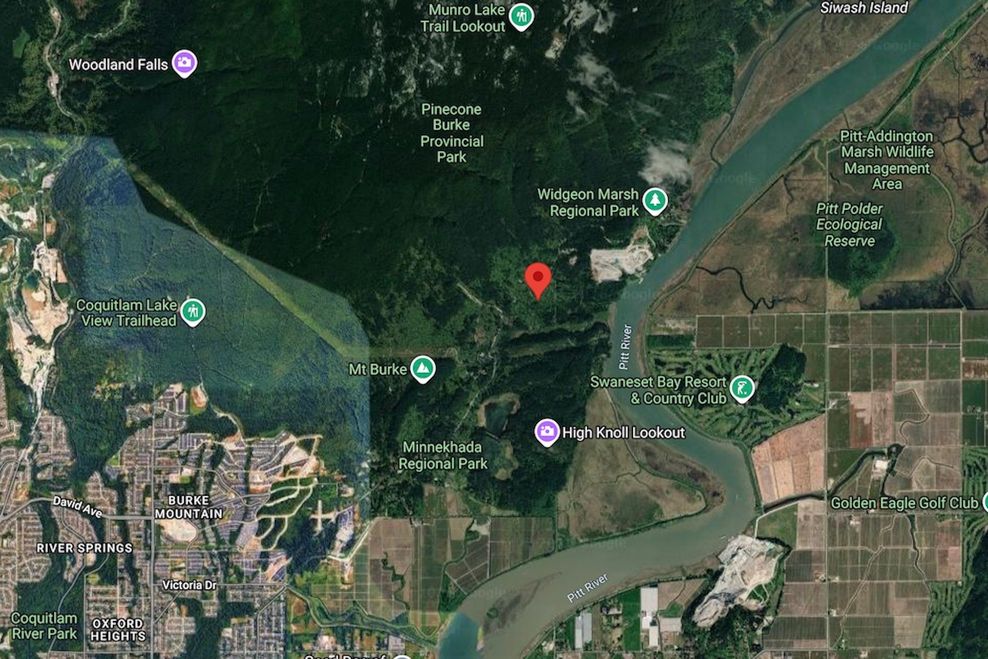
A 160-acre mountainside parcel on Burke Mountain's southeast flank in Coquitlam sold for approximately $14.47 million in one of Metro Vancouver's largest 2026 land deals, signaling that strategic buyers remain willing to hold long-term positions despite slower large-scale land transaction activity across the region.
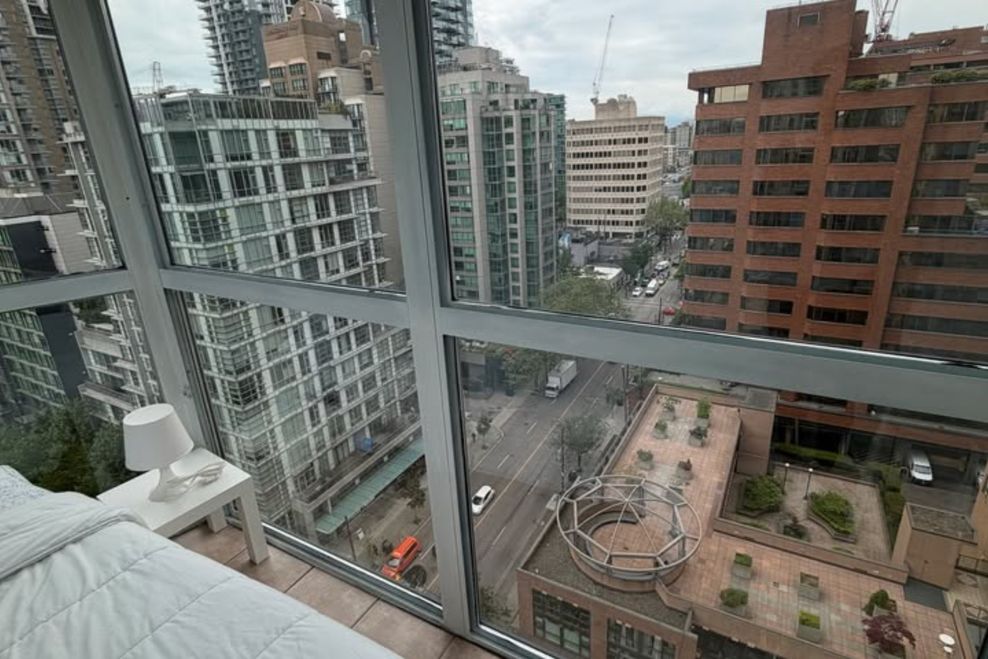
A Facebook Marketplace listing from GoTwo Prime Living advertised a Downtown Vancouver 'private room' for $980 monthly, but photos revealed it was a narrow solarium or balcony with a bed, sparking viral outrage on Reddit and highlighting extreme rental market pressures that push landlords toward creative space conversions and leave vulnerable renters at risk of substandard housing.
Powell River–Sunshine Coast real estate board data shows June 2026 single-family sales jumped 34% year-over-year while average prices fell 8.6%, revealing a market where realistic pricing is driving faster sales but year-to-date volume remains 11.5% behind 2025.

The Canada Mortgage and Housing Corporation distributed $31.7 million in taxpayer-funded bonuses to executives and staff during the housing affordability crisis, raising questions about institutional credibility and political risk for Vancouver buyers relying on CMHC mortgage insurance.

Statistics Canada data reveals that individual investors owning up to five properties control nearly half of British Columbia's rental market value, far outpacing institutional giants like REITs and pension funds. While this fragmented ownership suggests healthy competition, the 2022 assessment data captures a speculative peak that looks markedly different from today's higher-rate environment where some small landlords may face selling pressure.