News
Published brokerage updates and market posts.
News
Published brokerage updates and market posts.
New Zealand and Canada have both shifted from 'soft-touch' real estate regulation to aggressive tightening after housing affordability collapsed to nine times average income, offering Vancouver buyers a preview of how permanently changed rules will reshape investment strategies and buyer pools.

Richmond RCMP is actively ticketing riders and fining parents up to $2,000 for illegal e-bike use, with a recent North Vancouver case seeing a teen fined $368 plus $400 in impound fees. For local real estate, this creates new liability considerations for families with teenagers and landlords near Richmond's extensive bike network, as illegal devices void insurance coverage and expose owners to uninsured liability for accidents.

Lululemon founder Chip Wilson successfully appealed the 2025 property assessment of his Point Grey waterfront mansion, reducing its value from $82.7 million to $64.4 million in a ruling that highlights the gap between construction costs and market realities in Vancouver's ultra-luxury segment. The decision removes his home from the top spot as BC's most expensive property and offers a rare window into how assessment boards weigh "price point sensitivity" when valuing unique trophy assets.

Vancouver City Council voted to repeal zero-emission heating mandates for new homes, allowing natural gas again, while launching an expedited review of multiplex housing policies that could tighten design rules before the October 2026 election.
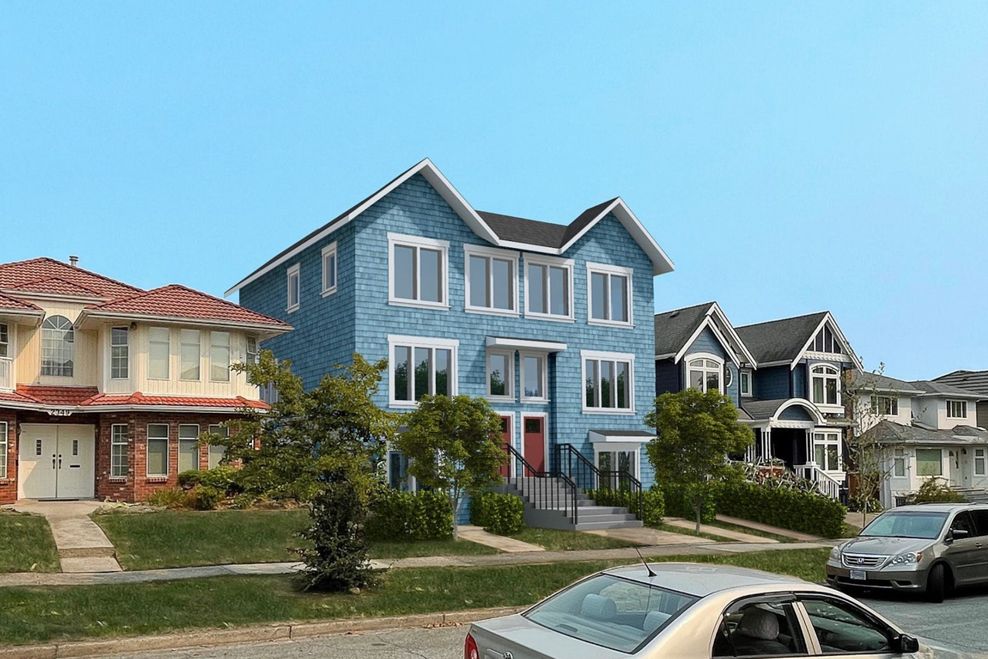
Oakridge Park's retail centre opened this week, but the real test comes late this year when buyers who purchased luxury condos at $2,000-$2,500 per square foot in 2019 must close at prices well above current market values. The situation highlights the risks of peak-cycle pre-sale purchases and potential appraisal gaps facing high-end buyers in Greater Vancouver's corrected condominium market.
A BC Civil Resolution Tribunal decision invalidated a $200 strata fine against a homeowner who charged his electric vehicle in the underground garage, ruling that no applicable bylaws existed despite the strata's claim of "stealing electricity." The case highlights critical due diligence gaps for prospective condo buyers regarding EV infrastructure and inconsistent strata rule enforcement.

The first test train is now running on the $2.95-billion Broadway Subway extension, with dynamic testing underway and a confirmed late Fall 2027 opening, giving buyers and sellers along the Millennium Line corridor a concrete timeline to plan around.
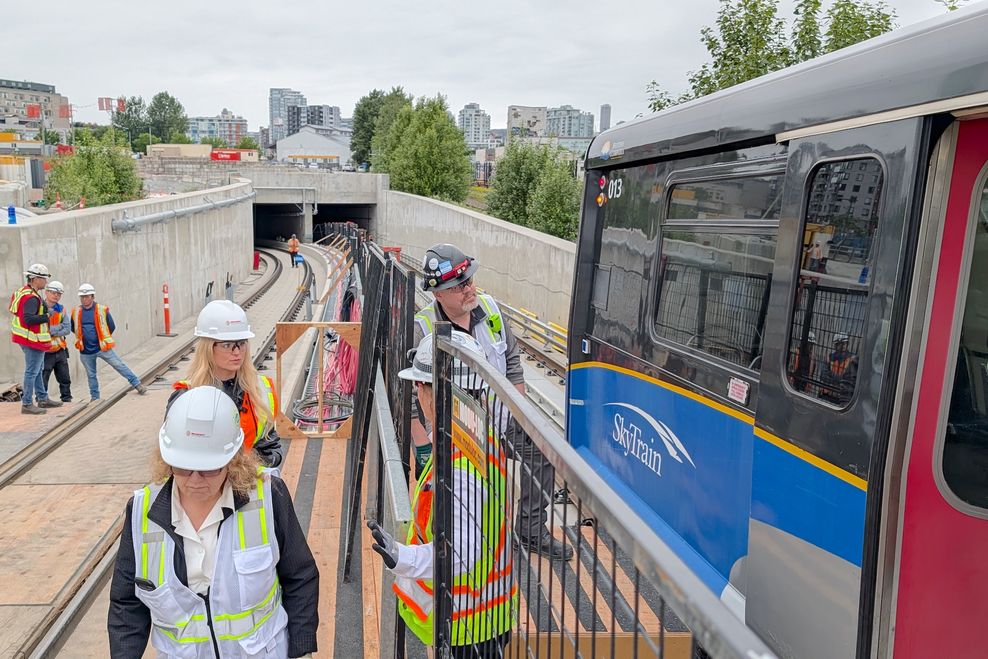
With just two weeks before kickoff, British Columbia has revised the total public cost of hosting the 2026 FIFA World Cup in Vancouver to between $685 million and $729 million—up from earlier estimates of $532–624 million. While net provincial costs actually fell by $31 million due to higher federal contributions and hotel tax revenues, the ballooning municipal and provincial commitments reveal where public money is flowing and which infrastructure bets are being placed around BC Place and Hastings Park.

Telus is building two massive AI data centres in Vancouver's Mount Pleasant and Downtown core as part of a $1 billion sovereign computing project, raising fresh questions about land use, infrastructure strain, and neighbourhood change in a city already starved for housing.

As federal immigration caps reduce demand for single-person housing, Boardwalk REIT's latest Edmonton portfolio sale reveals institutional buyers are now treating townhomes as core assets, signaling a structural shift toward family-sized rental units that Greater Vancouver investors and developers cannot ignore.
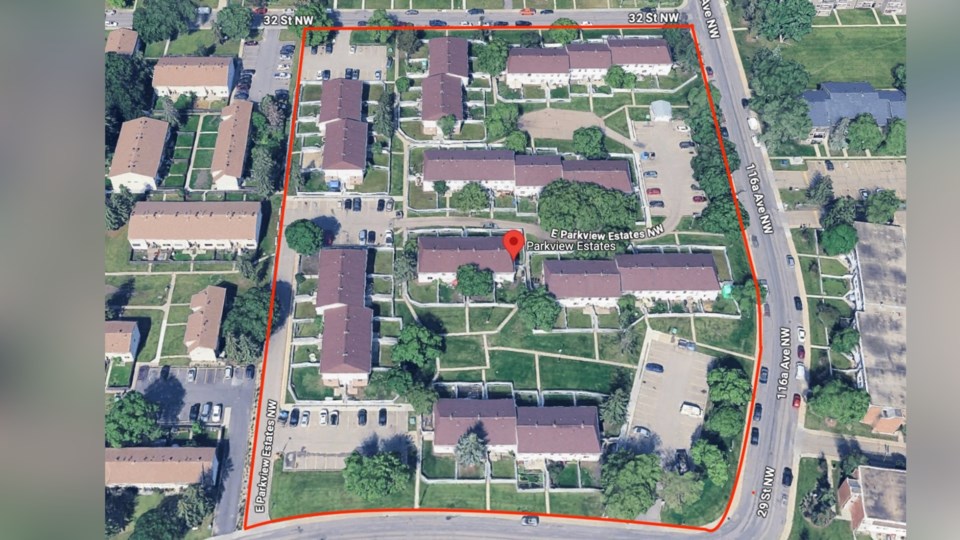
The Jura Ranch near Princeton sold for nearly $5.3 million through an online tender process, demonstrating how auctions are becoming a critical price discovery tool when traditional appraisals fail to capture current buyer sentiment in uncertain BC land markets.

The BC government has changed the Property Tax Deferment Program interest rate from prime minus 2% to prime plus 2% compounded monthly for new deferrals starting 2026, affecting 78,000 participating households. Richmond homeowners currently in the program must opt out by June 1, 2026 to avoid automatic renewal under the new higher rate, while existing balances remain grandfathered at the old rate.