
SkyTrain's 40-Year 'Brain' Upgrade Starts Night Testing: What TransLink's New Burnaby Control Centre Means for Buyers and Sellers Along the Line
Share

TransLink announced on September 29, 2026, that SkyTrain entered a roughly five-month overnight testing phase beginning October 3 to prepare a new Operations Control Centre near Edmonds in Burnaby. The 40,000-square-foot facility, spread across four floors with a core control room nearly the size of a basketball court, is scheduled to open in 2027. While SkyTrain has operated driverless trains since 1985, the core command infrastructure managing those trains has remained in place for decades even as the network expanded to roughly four times its original size, creating a growing gap between physical track and control capacity.
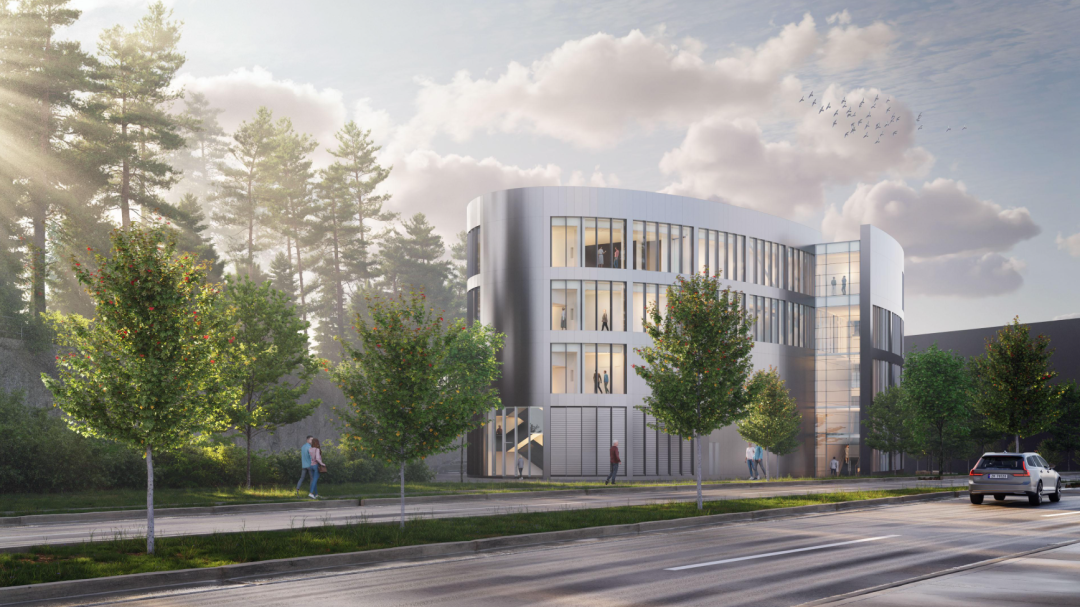
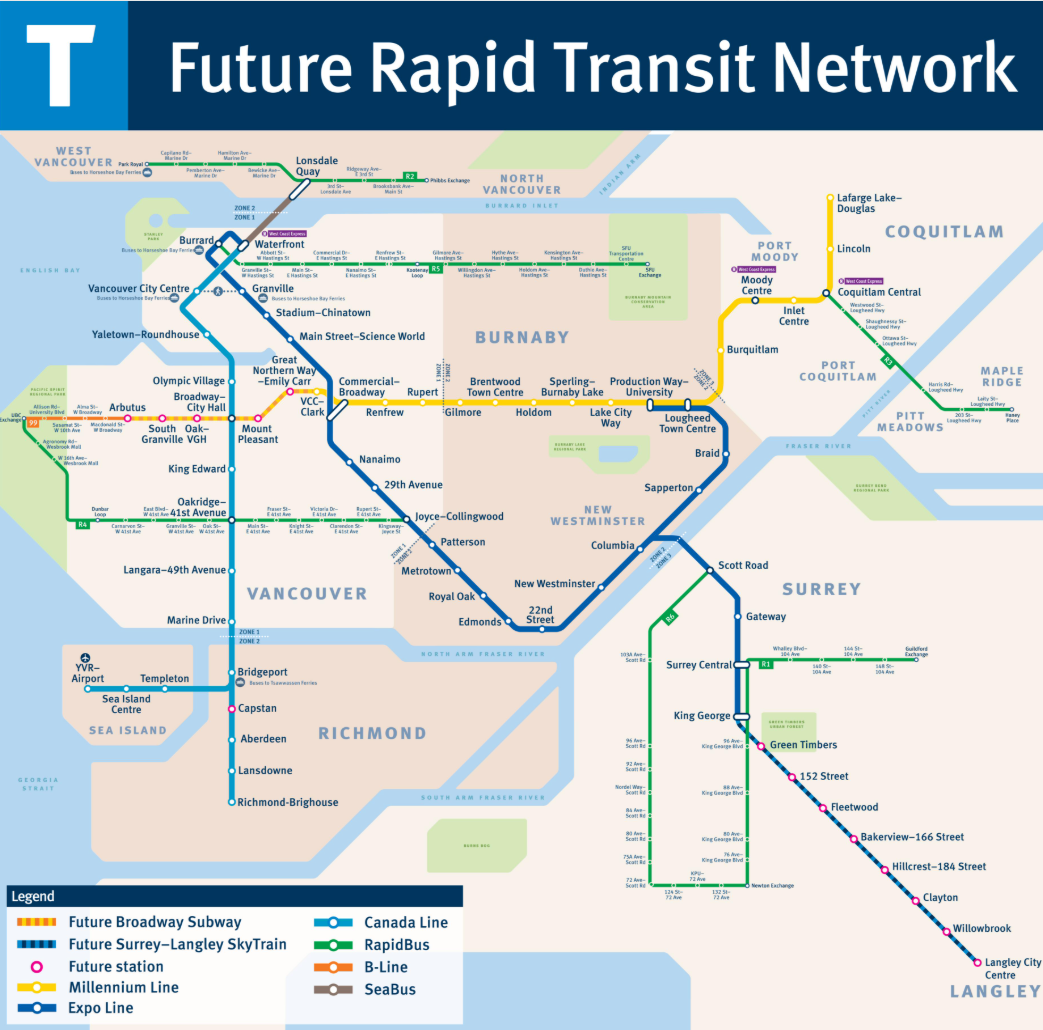
The new centre is not merely a hardware refresh. It features large digital display systems that consolidate real-time train positioning, operational status, communications, and safety monitoring to help staff manage both routine and emergency situations. The facility will gradually assume automated control of daily operations, maintenance coordination, and incident response. Crucially, it also provides modernized technical space for future line extensions and additional rolling stock. This directly supports two major projects: the Broadway Subway, extending the Millennium Line toward Arbutus by 2027, and the Surrey-Langley SkyTrain, extending the Expo Line to Langley City Centre by 2029.

Editor's Comment
From a senior Greater Vancouver agent's perspective, infrastructure stories like this often get buried in municipal briefings, yet they shape which communities hold value over a ten-year horizon. The clients who should take note are those planning three-to-five-year holds near the Millennium Line west of Commercial or anywhere along the Surrey-Langley corridor. The key is not to overreact to a control-centre headline, but to recognize that TransLink is strengthening the spine before adding more limbs. What actually moves real estate value is whether municipal zoning and land supply keep pace with that transit investment—and that lag is where opportunity and risk live.