
Vancouver Targets Tax-Cutting Gardens and Dog Parks on Stalled Development Sites—What It Means for Housing Supply and Property Taxes
Share
News article poster
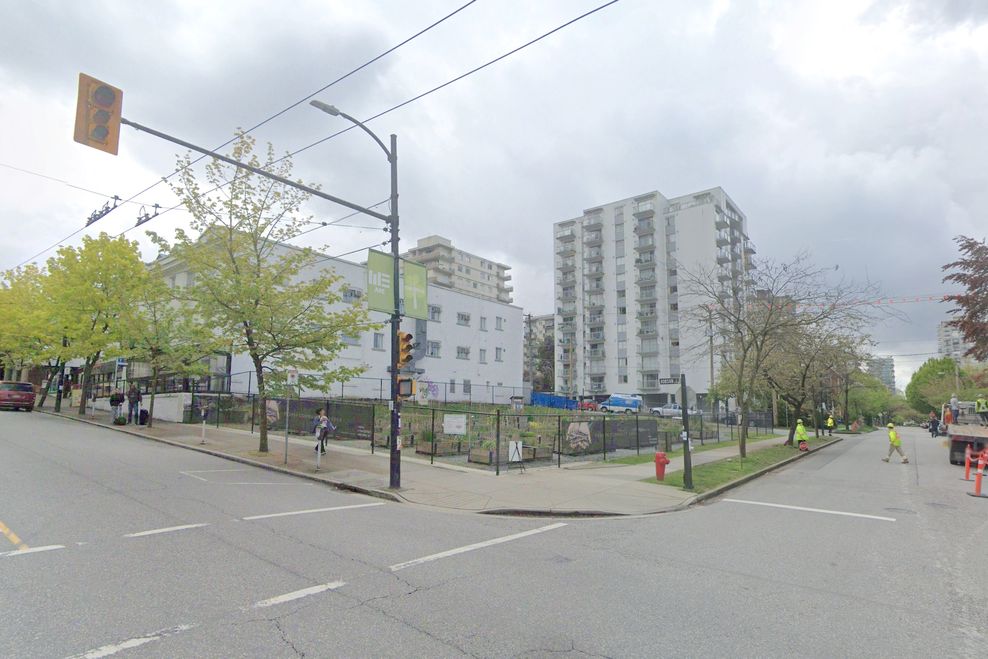
Vancouver City Council has unanimously ordered a sweeping review of temporary community gardens and dog parks sitting on privately owned vacant development sites, a practice that allows landowners to slash their property tax bills while construction remains on hold. The motion, brought forward by OneCity Councillor Lucy Maloney and amended by COPE’s Chloe Leslie and Mayor Pete Fry, directs city staff to report back in the second quarter of 2027 with recommendations on how these sites are permitted, maintained, and taxed. At the heart of the issue is a provincial classification rule: land used for public outdoor recreation can be assessed as recreational property and taxed at Vancouver’s lower residential rate rather than the higher business rate. A city report found that ten sites newly converted in 2026 alone were assessed at roughly $178.5 million, shifting about $913,000 in general municipal taxes onto other property owners, with an estimated $3.6 million redistributed since 2019.
The review lands at a moment when scores of approved housing projects across Metro Vancouver are stalled not by red tape alone, but by brutal economics. Developers are grappling with soaring construction costs, weak condominium pre-sales, and tight financing conditions that make it difficult to secure construction loans; recently, even purpose-built rental projects have started stalling as softening rents fail to cover borrowing and operational costs. Maloney argues that when approved projects sit dormant for years, the temporary gardens—while better than gravel lots—may not deliver enough public benefit to justify the tax break, and the lost revenue ultimately gets picked up by other taxpayers. Leslie’s amendment pushes the review further, demanding minimum standards for greenery, seating, shade structures, and upkeep on long-vacant sites, after noting one near her home consisted of little more than gravel and a single bench.
Yang Pan Commentary
From a senior Greater Vancouver agent’s perspective, this review is less about dog parks and more about the city testing which levers it can pull to unlock stalled supply without writing cheques. Buyers waiting for certain neighbourhoods to densify should not bank on this motion accelerating dirt-turning, because the real brake on construction is still the gap between hard costs and achievable rents or sale prices. Sellers near long-vacant lots should note that improved interim landscaping could make their blocks more pleasant, but a removal of the tax break could also pressure landowners to sell rather than hold—potentially creating opportunistic land plays. The key is not to overreact to one headline, but to track the Q2 2027 report and watch whether council pairs tax-policy tweaks with genuine cost relief for builders.