News
Published brokerage updates and market posts.
News
Published brokerage updates and market posts.
The Bank of Canada raised its benchmark interest rate by 0.25 percentage points to 2.5 per cent on October 28, 2026—its first hike in three years—citing geopolitical-driven energy inflation that threatens to spread across the economy. For Greater Vancouver buyers, sellers, and investors, the move immediately raises mortgage qualifying costs and signals that the era of falling or stable borrowing costs is over, at least for now.
The Bank of Canada will announce its overnight rate decision and release the quarterly Monetary Policy Report on October 28, 2026, with Governor Tiff Macklem's press conference at 10:30 ET—giving Greater Vancouver buyers, sellers, and mortgage holders a critical window to understand policy direction before markets price it in.

After three decades of expansion, B.C.'s Lower Mainland is redefining its growth model amid tighter immigration, higher interest rates, and U.S. trade tariffs—creating new patterns of opportunity for buyers and investors in Surrey, Chilliwack, the Broadway corridor, and industrial-starved Maple Ridge.

Lower Mainland commercial real estate transactions fell 14% quarter-over-quarter in Q2 2026 to 285 deals, even as total dollar volume rose 16.3% year-over-year to $1.54 billion, revealing a split market where office activity collapsed 42% from last quarter while land sales stabilized despite residential oversupply concerns.

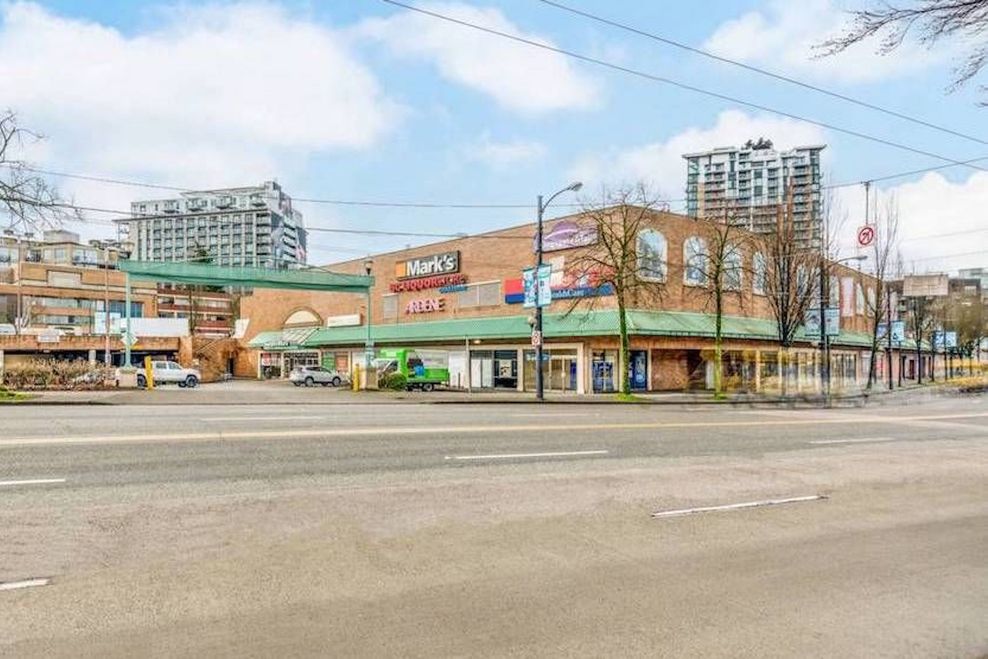
OneCity Vancouver has proposed redeveloping the 3.2-acre Kingsgate Mall site into a mixed-use complex with a public school, affordable rental housing for School Board employees, childcare, and potentially a new aquatic centre—an ambitious plan that would require rezoning and cross-government collaboration if the party gains influence after the October 17, 2026 civic election.
Beem Credit Union argues that focusing solely on down payment savings is a 'blunt instrument' for B.C. homebuyers, with median registered savings at just $20,000 for couples and $15,000 for singles aged 25-39, even as 85.5% of renters in that age group still prioritize homeownership within 5-10 years.
Greater Vancouver's September 2026 MLS data reveals a stark market split: apartment sales plunged 18.6% year-over-year while detached and attached homes saw slight gains, with the composite benchmark price down 5.5% annually to $1,075,900 as investor demand stays on the sidelines.

Vancouver's downtown office vacancy has edged down to 9.5% as tenants expand and demand concentrates in top-tier Class A and AAA space, while major projects like 1166 West Pender shift to hotel and residential uses. For local real estate readers, this signals a turning point in employer confidence that could reshape downtown neighbourhood demand—but the recovery is uneven, and the conversion of older office stock is changing who lives and works near core assets.

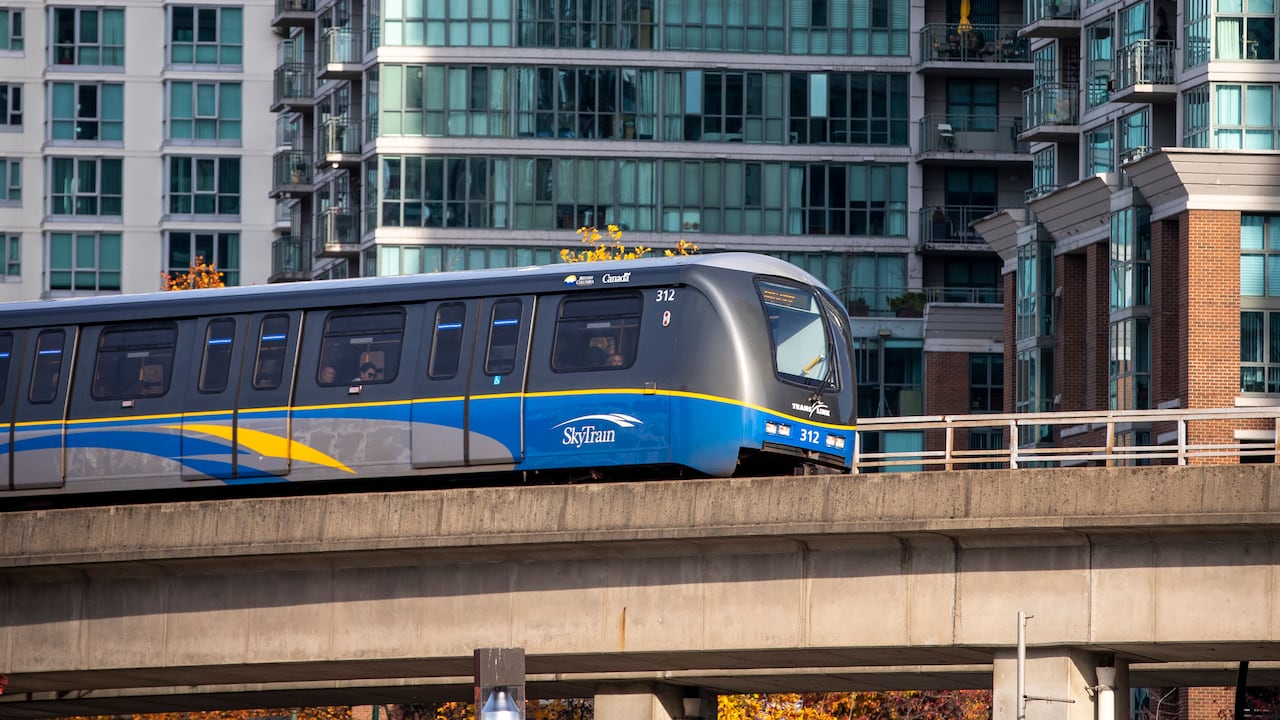
Technical Safety B.C. reported 122 train-human contact incidents on Vancouver's Expo and Millennium SkyTrain lines between 2016 and 2025, with the incident rate doubling from 2023 to 2025 compared to pre-pandemic levels. For real estate buyers, sellers, and investors near these lines, the report revives the debate over platform screen doors and signals potential retrofit disruptions—or future safety premiums—as TransLink revisits technology it previously rejected.
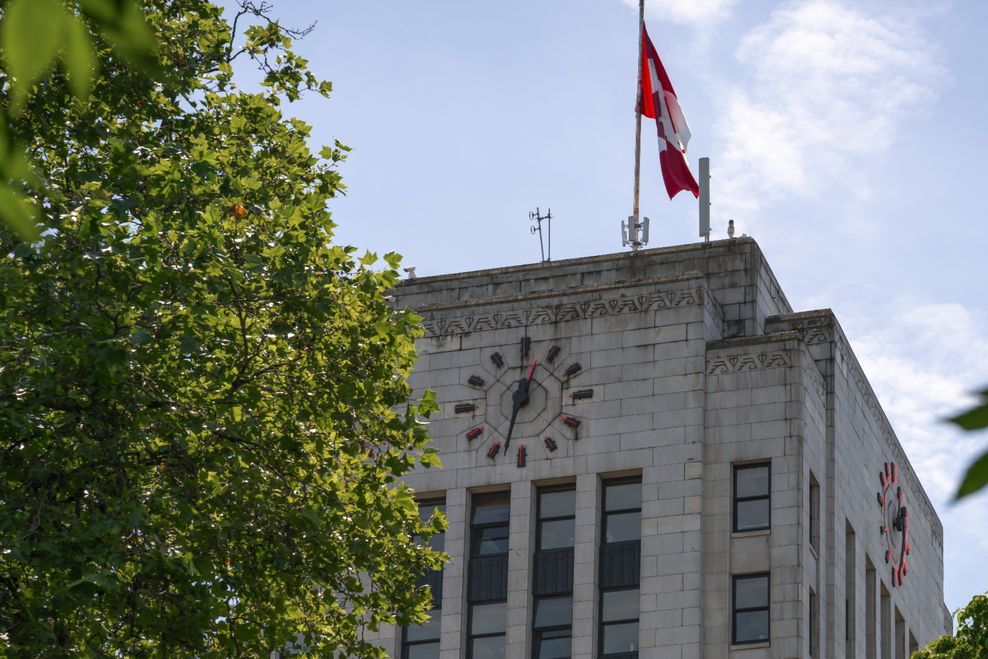
With three weeks until Vancouver's municipal election, major mayoral candidates have released competing housing and fiscal platforms that could reshape development timelines, carrying costs, and land-use policy. From ABC's property tax freeze and parking fee elimination to the Vancouver Liberals' plan to replace the city building code and merge 12 approval departments, these promises present distinct risk and opportunity profiles for buyers, sellers, and investors.
Maple Ridge has launched a one-year pilot program that expedites development permits for eligible triplex and fourplex projects by an estimated six to eight months, targeting select west Maple Ridge neighbourhoods zoned Urban Residential under the city's Official Community Plan.

August MLS® sales in Metro Vancouver fell 4.6% year-over-year to 1,869 transactions, 20.7% below the 10-year average, as the composite benchmark price dropped 5.6% to $1.08 million. GVR's chief economist cites immigration slowdown, reduced investor demand, and mortgage rates that remain too high to spark buying activity.