News
Published brokerage updates and market posts.
News
Published brokerage updates and market posts.
The Saw Creek wildfire has forced evacuation orders for 15 Lytton properties and closed 115 km of Highway 1 just days before the fifth anniversary of the 2021 inferno that destroyed the town, forcing buyers and owners to confront the ongoing insurance, access, and climate risks of Interior BC real estate.

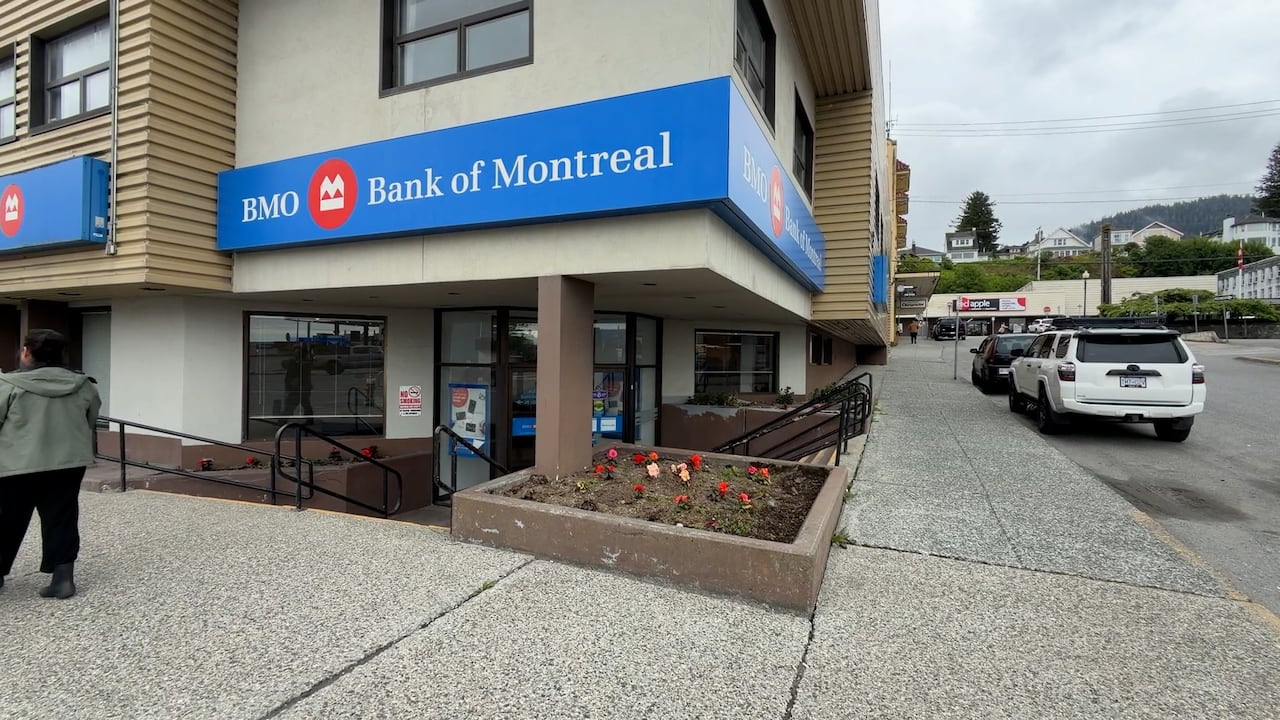
The Bank of Montreal closed its Prince Rupert branch on June 19, forcing customers to drive 90 minutes to Terrace or switch to online banking, highlighting a growing infrastructure gap in BC's resource communities that poses specific risks for Lower Mainland investors eyeing northern properties.
The City of Vancouver has warned that fraudsters are placing fake QR codes on parking meters and sending phony fine notices by text, creating new daily risks for drivers who depend on street parking. For buyers, renters, and investors evaluating properties without dedicated stalls, the scam adds a fresh layer of friction to the true cost of living in dense Vancouver neighbourhoods.
StubHub and SeatGeek cancelled World Cup and concert tickets hours before events when resellers found higher-paying buyers, exposing the fragility of secondary market guarantees. For Vancouver real estate buyers considering assignment sales or pre-sale contracts, the fiasco offers a sharp lesson in due diligence and the gap between platform promises and seller incentives.

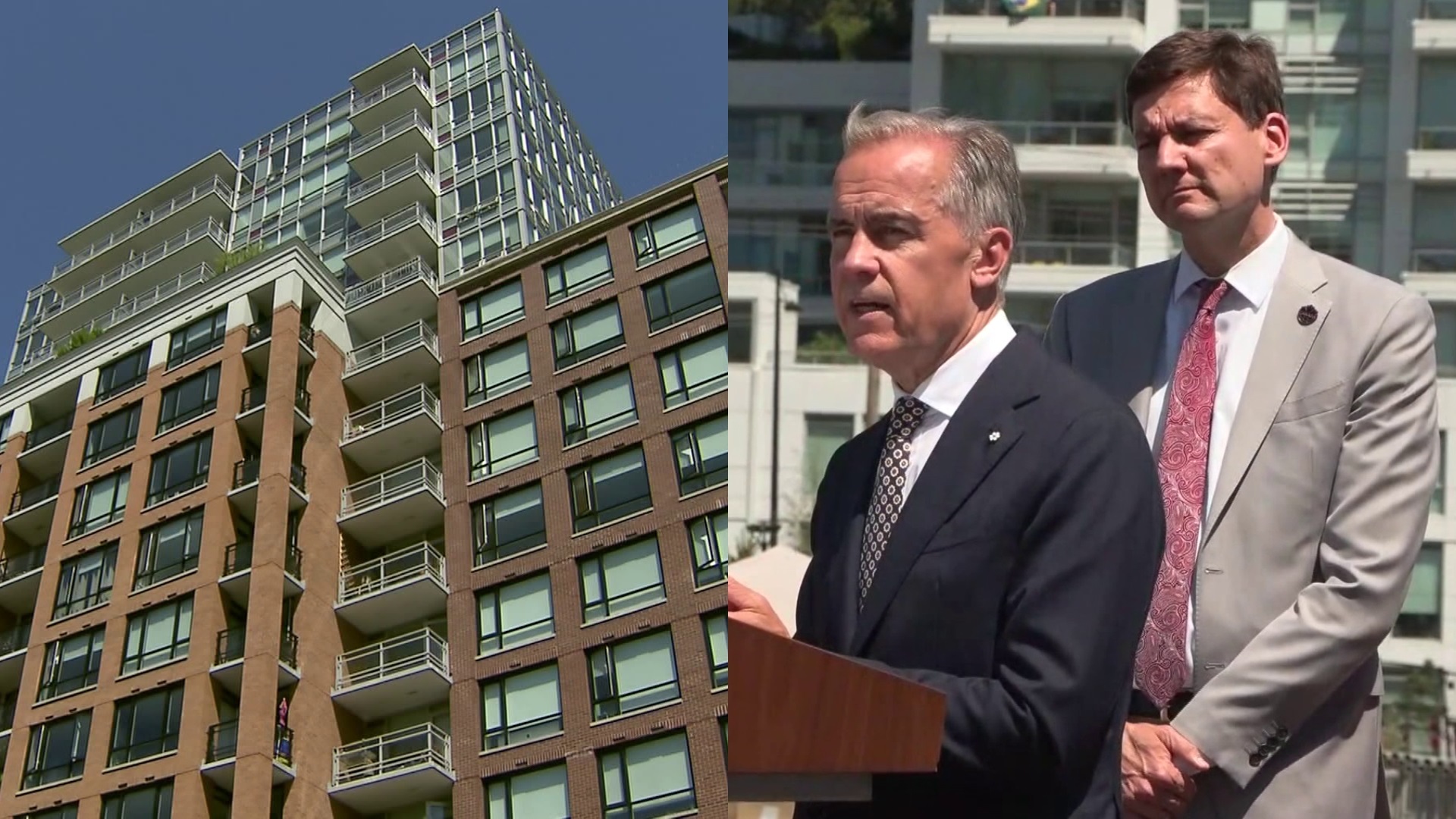
On June 18, Prime Minister Carney and Premier Eby announced a decade-long $5 billion partnership that cuts multi-unit development charges by up to 50%, converts 2,200 vacant condos to affordable housing, and locks in $2.5 billion for the Surrey-Langley SkyTrain extension—directly affecting pre-sale pricing, rental supply timelines, and transit-oriented land values across Metro Vancouver.
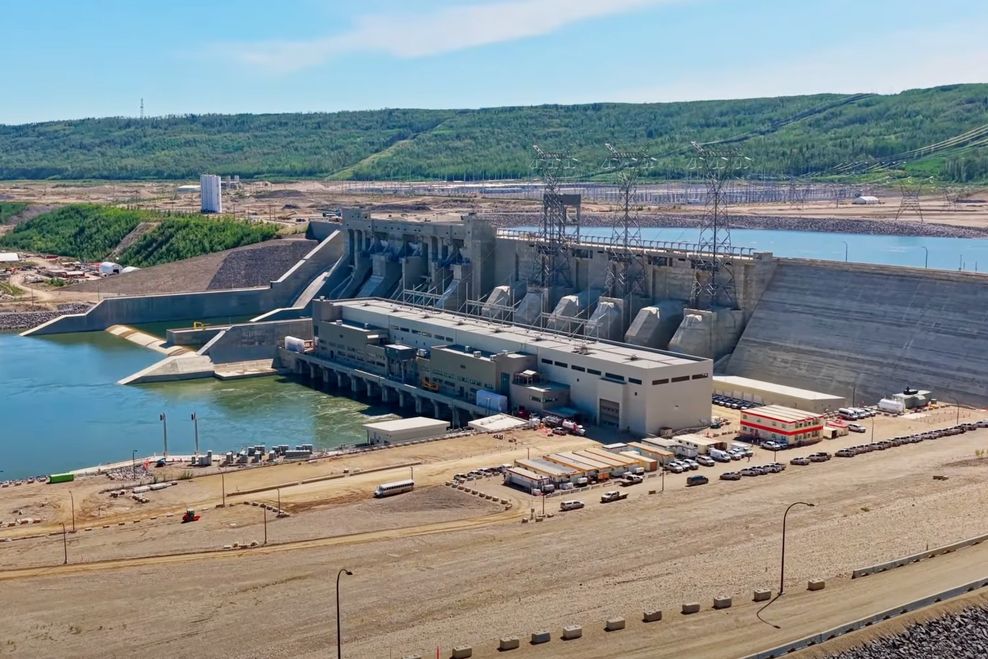
BC Hydro is exploring two massive new hydroelectric projects—Site E on the Peace River and a multi-dam complex on the Homathko River—to meet electricity demand forecasted to jump 50% by 2050. For real estate investors and developers, the proposals signal where industrial growth and transmission infrastructure may concentrate over the next two decades, while highlighting the urgency of electrification costs for new housing.
A new NerdWallet Canada survey finds over one-third of non-homeowners want to purchase a home within the next year but expect to remain renters or live with relatives instead, viewing housing as overpriced and unfair to first-time buyers. For Greater Vancouver, this signals a large pool of sidelined demand that cannot easily convert into sales, reshaping the dynamics for sellers, landlords, and move-up buyers.

Starting next month, FortisBC residential gas bills will rise by approximately $1.57 per month for typical usage, after the BC Utilities Commission approved a hike tied to higher renewable natural gas content. For Greater Vancouver homeowners, landlords, and buyers, the increase is small but locked in until October, making it a useful prompt to review total carrying costs and heating efficiency before the next rate review.
Seasonal sales upticks in May are masking a deeper behavioral shift as buyers return for second showings and sellers abandon 2022 pricing fantasies, though the bounce comes from historically depressed activity levels.

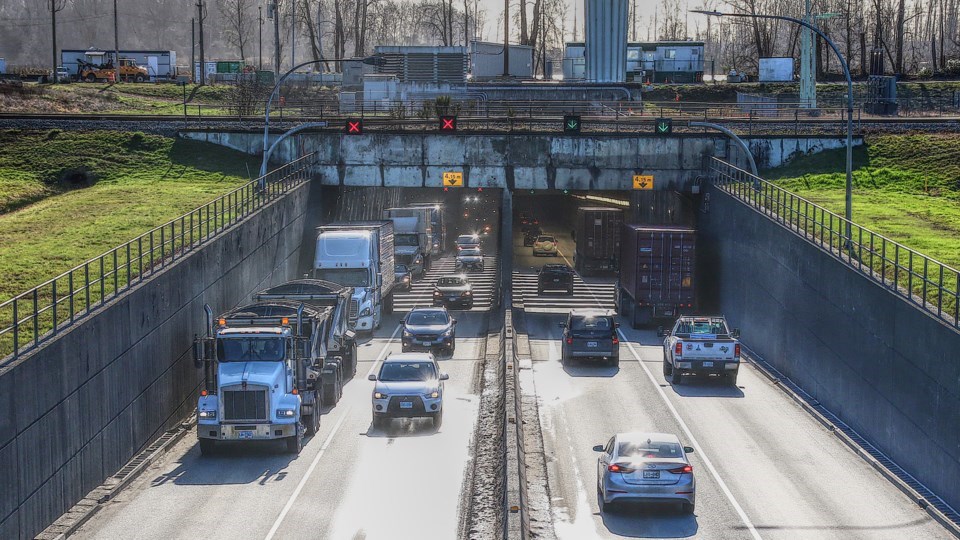
The BC government terminated its contract with Cross Fraser Partnership for the George Massey Tunnel replacement after failing to agree on final construction costs, switching to a multi-contractor bid model while keeping the 2027 construction target.
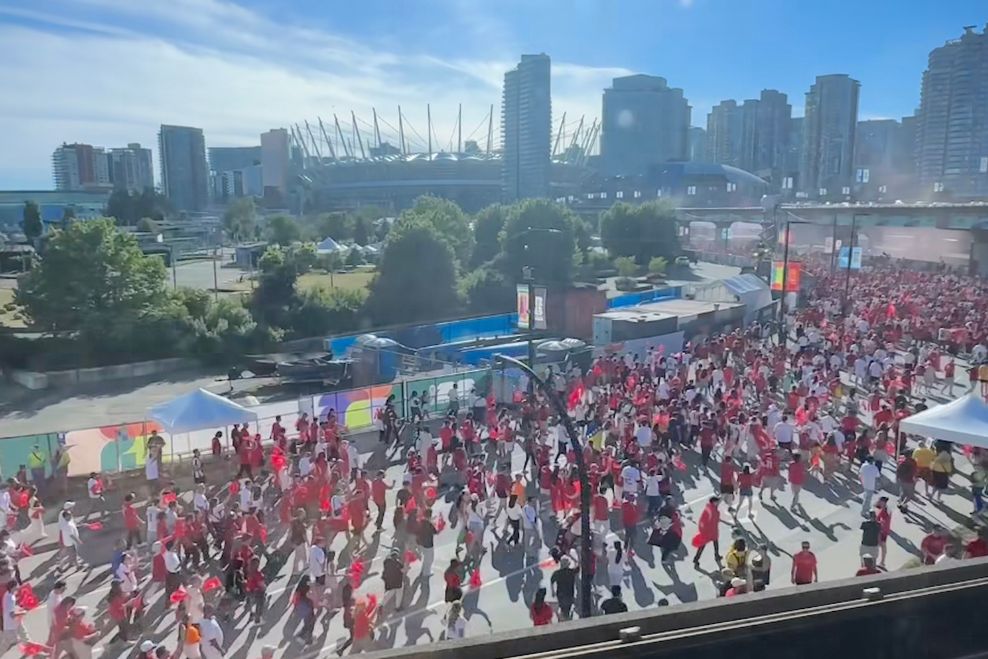
TransLink recorded 1.03 million boardings during Vancouver's first FIFA World Cup match on June 13, marking the busiest Saturday for BC Place events since the 2010 Olympics and validating the infrastructure capacity that underpins transit-oriented real estate values across the Expo and Millennium lines.
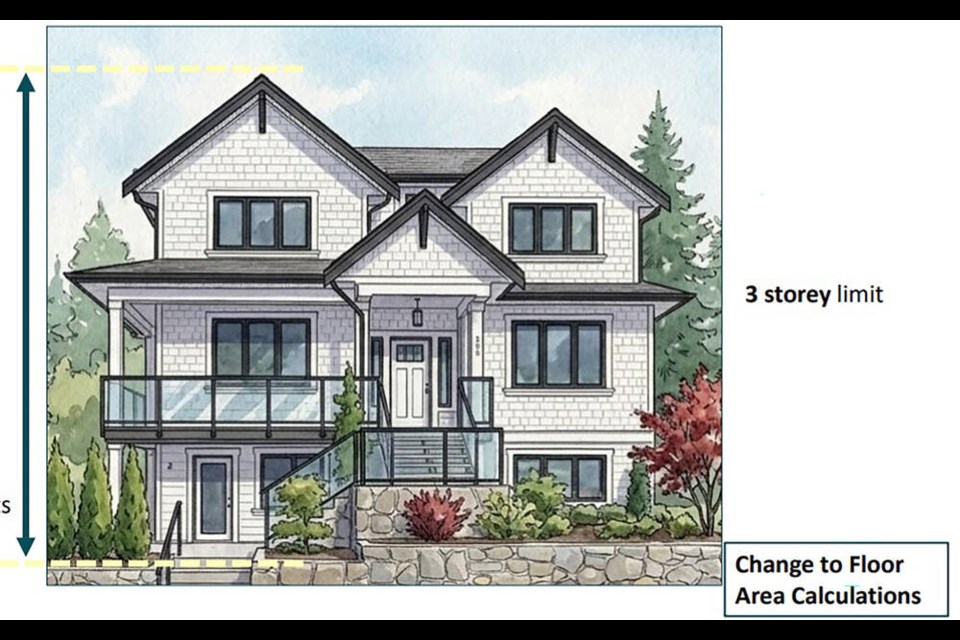
The District of North Vancouver council voted unanimously on June 1 to advance zoning changes that would remove floor-space exemptions for basements and garages while allowing homes to reach three storeys. The move aims to reduce environmental impact and improve rental suite quality, affecting approximately 20,000 properties and potentially altering construction economics for buyers and developers.